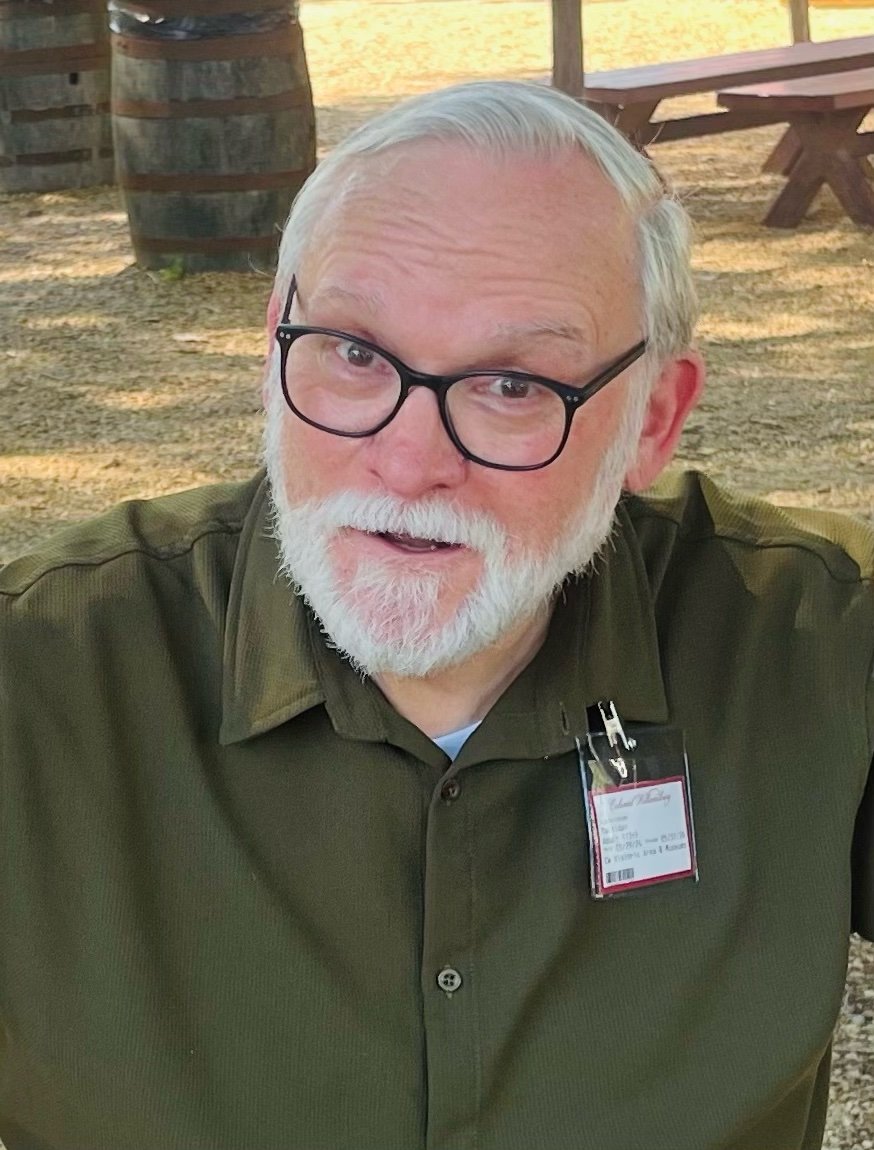

Quit Labeling Grievers!

Why do we insist on categorizing grief and mourners in ways that make mourners feel abnormal or in need of being “fixed”?

Grief is not a disease, a mental or emotional disorder, a bad attitude or perspective, or a misbehavior or sin.  Grief does not need to be cured, diagnosed and medicated out of existence, fixed, recovered from, or avoided.  Grieving people are not sick, broken or crazy.  Mourners are simply experiencing a natural, human response to the loss of a person due to death.   In order to heal, mourners need to receive support, comfort, encouragement, information about grief, and enough time to move through grief.  Grief is not an event which is gone through quickly. Grief cannot be rushed. Grief is a process which takes time and patience on the part of the mourner and his or her support system.

Natural healthy grief serves a purpose.  Grief is a transition time from life with the person present physically to life without the person there physically.  A mourner cannot simply jump from one to the other without going through some sort of transition.  Grief helps the person to face the reality of death and loss, to accept the new reality, to evaluate the impact of the loss on his or her life, to make life adjustments, and then to move on in a healthy fashion in the new reality.

Unfortunately our culture, especially the business world, is not very grief or mourner friendly.  Corporations and HR departments place pressure upon the mourner to move quickly and efficiently through the grief process.  The message from the business world and our culture to the mourner is that grief must be done quickly, and with no impact on productivity at the workplace.  Even death-related corporations and businesses including hospices implement short bereavement leave for their employees.  Those who deal with death and mourning on a daily basis should know better.  There needs to be more compassion for the mourner in our culture at the workplace, in the community, and in churches.

Mourners also suffer at the hands sometimes of those they seek to help them-counselors and mental health professionals.  Some of these professionals seek to label mourners with new mental health diagnoses that signify the grieving person is not grieving in a normal or acceptable way.  These diagnoses have been created in order that practitioners can have a code number to give to an insurance company or to place in a client’s file that will allow them to justifying getting paid for their services.  The complaint I have is not with the counselor trying to help the person but with the diagnostic system labeling grief as abnormal.  Certainly grief can become complicated and true mental and emotional disorders (depression, etc) can result, but the resulting mental and emotional disorder must be addressed and treated without labeling grief as a disorder or abnormal.

Unfortunately these grief diagnoses put pressure on the mourner to speed up their grief process to reach a level that the medical and mental health communities deem to be healthy grief within a time frame chosen to be normal by the diagnosing medical and mental health professionals.  Natural, healthy grief does not follow a timetable set up by a medical or mental health professional.  Grief does not follow a timetable wished for by the mourner or any of his support system.

Mourners should know that there is no set time or pace for grief.  Natural, healthy grief will vary from individual to individual and with each situation.  The best help a mourner can receive is from a grief companion as described by Dr. Alan D. Wolfelt, director of the Center for Loss and Life Transition in Fort Collins, Colorado (www.centerforloss.com).  A grief companion will meet mourners where they are, not judge them in their grief experienced our feelings, and walk through them during the darkest time of their life after a loss. Mourners should also know that grief is the natural human response to the loss of a person by death.  Grief happens because we love the person who has died.  Grief is overflowing love for a person no longer physically present, and mourning for that person who died is not morbid or pathological.  Mourning a death is the natural result of losing someone you love and honors a valuable life.

Posted by Larry M. Barber, LPC-S, CT, grief counselor, educator and author of the grief survival guide “Love Never Dies: Embracing Grief with Hope and Promise” available online at Amazon, Barnes and Noble and http://grief-works.org/book.php. Also available for Kindle and Nook.

Posted in Uncategorized | 1 Comment

Finding Strength in the Face of Death and Tragedy

May 17, 1993:  Baylor Medical Center, Dallas Texas.
“Oh, Larry! We lost her!” cried my sister-in-law Sally as her arms wrapped around me in a forlorn, comforting squeeze.

I became numb. My wife of thirteen years had just died. No! How could this be? I felt my knees buckle. If Sally had not been hugging me tightly, I would have crumpled onto the waiting room floor.

I heard a spine-chilling wail. My sister had also been told that Cindy had died on the operating table. The overpowering, unnerving exclamation caused me to reach for the chair behind me.

As I sat down, sharp pains hit my chest. My breathing became fast and shallow. “My heart!” I whispered to my brother Jason. “My heart is beating really fast, and I feel sick. Someone needs to check my heart.”

I was lowered into a wheelchair and pushed quickly into a room with a heart monitor. I had never felt so helpless. My life and family were being demolished. Listening to the erratic beep of a heart monitor, I was struck with the horrifying fear that my children Christian and Sarah could become orphans.

My worried brother came into the room carrying his bible. I asked him to read from Philippians 4.  If I was about to die, I wanted to hear a favorite, comforting passage from God’s Word.

Rejoice in the Lord always. I will say it again: Rejoice!….The heart monitor became more and more erratic. My breath became labored. I had never had an anxiety attack, but I was certain this was a genuine attack of some kind.

Let your gentleness be evident to all. The Lord is near…. I determined to not look at the monitor, took a deep breath and tried to exhale slowly.

Do not be anxious about anything, but in everything, by prayer and petition, with thanksgiving, present your requests to God… I don’t remember hearing Jason read, but I do remember praying as a sense of doom enveloped me. Dear Lord, be with us now. Help this to pass. Help me. Heal my heart.

And the peace of God, which transcends all understanding, will guard your hearts and your minds in Christ Jesus…I glanced at the monitor. My eyes opened wider. Was my heart rate slowing? Please, Lord, let me know your comforting presence…

Finally, brothers, whatever is true, whatever is noble, whatever is right, whatever is pure, whatever is lovely, whatever is admirable—if anything is excellent or praiseworthy—think about such things…My breathing relaxed. I stared at the monitor. It continued stabilizing.

Whatever you have learned or received or heard from me, or seen in me—put it into practice. And the God of peace will be with you. Suddenly I realized that we would survive. I was no longer thinking about the despair of leading my whole life without Cindy and my two year old daughter Katie who died in the crash. I was thinking about how I could make it through this moment for Christian and Sarah. I would be content with that…with God’s help.

for I have learned to be content whatever the circumstances. I know what it is to be in need, and I know what it is to have plenty. I have learned the secret of being content in any and every situation, whether well fed or hungry, whether living in plenty or in want. I can do everything through him who gives me strength.

Today twenty years after the deaths of my wife and daughter God’s words of comfort and support in Philippians still speak to my heart and mind in good and bad times. I feel His presence in the “waiting room” of this life. I know His Son supplies all I need to overcome life’s crises.

“Christ gives me the strength to face anything.” (Philippians 4:13 CEV)
.

From: “Love Never Dies: Embracing Grief with Hope and Promise” by Larry M. Barber, LPC-S, CT.  (Xulon Press, June 2011).  Available on http://grief-works.org/book.php. Also available on Amazon.com, Barnes & Noble, and your local bookstore. Available now for Nook and Kindle.

Posted in Grief Support, Spiritual Health | Leave a comment

Forget “Being Strong” for the Children

Rose Hill Cemetery, Cleburne Texas,  June 1993

“It’s just not fair!”  I said through clenched teeth.  “IT…IS…JUST…NOT…FAIR!”  My 12-year-old son Christian and nine-year-old daughter Sarah stood dumbfounded on either side of me staring at me in unbelief.  Both of them looked terrified and as if they would rather be anywhere else in the world right now than standing next to their ranting father.

“It is just not fair!” I repeated as I stared at the grave markers of my 37-year-old wife Cindy and my two-year-old daughter Katie.  Tears were streaming down my face.

This is not how I had planned my family’s first visit at the grave site to go just weeks after we had the double funeral.  I had been told that I needed to be strong for the children, and I took that to mean that I should not grieve in front of them.  The trip to the cemetery and seeing the fresh mounds of dirt where we had lowered my wife and daughter into the ground was just too much.  There was simply no way that I could not become emotional and mourn the losses that had profoundly changed my family and my life forever.…even if the sight of their father crying uncontrollably upset my children.

This is not how I had planned our lives to be.  I was supposed to grow old with my wife.  I was supposed to see Katie grow up, go to school, go to college, get married and have children.  My children should have their mother to nurture and encourage them in ways that only a mother could.  My children should be able to grow up with their sister Katie, protecting her and enjoying her as all big brothers and big sisters do.  This was more than just unfair.  This was more than unjust.  This was just damn wrong, but there was nothing I could do… only protest with every fiber of my being as I stood staring at their graves.

So much for being strong for the children.  So much for not crying or becoming emotional in front of them.  There was just no way that I could not express the honest, brutal, emotional turmoil going on inside of me.  There was just no way that I could not protest, even in front of my children, the unfairness of our losses.  There was just no way that I could not express how much I love and miss their little sister and their mother.

May 2013 marks the 20th anniversary of my family’s losses.  Little Christian and little Sarah are not little anymore.  They’re all grown up, successful and emotionally stable.  My expressions of grief in front of them since the beginning of our grief journey have not twisted or damaged their psyches.  Crying in front of them probably made them feel uncomfortable, but crying in front of them was inevitable.  Remembering and grieving over the deaths of their mother and sister was healthy for me, and I think it has benefited them in their grief journey also.

You see, if I had never grieved in front of my children that would’ve been abnormal..and creepy, to be honest.  If I had never cried or had an emotional outburst over the losses of their mother and their sister, it would send the wrong message to Christian and Sarah.  Uncomfortable as it may have been for them to see me grieve, my mourning let them know just how much I love their mother and their sister.  Not crying in front of them would make them wonder if I were some cold-hearted, insensitive man untouched by the deaths of his loving wife and his cherished child.

You see, the job of mourning parents is not to be strong for the children or for anyone else.  The job of a mourning parent is to show his or her children a role model of how a normal, healthy, adult Christian deals with the difficult times in life including the deaths of significant people.  The job of a mourning parent is to model healthy coping skills to teach children ways to handle their grief.  Healthy coping skills in dealing with losses early in life will help children to deal with later losses.  And there will be inevitable later losses.

Children cannot be protected from the “negative” experiences in life, especially death, dying and grief.  Mourning parents remember this: Children in grief need to learn from the adults around them that the expression of grief emotions is natural, healthy and healing.  Your job is not to be strong for the children.  Your job as a grieving parent is to be a role model of healthy grief and coping skills for your children to observe and from which to learn.

Written by Larry M. Barber, LPC-S, CT, director of GriefWorks, CounselingWorks and KidWorks in Dallas Texas.

Larry is also the author of the grief survival guide “Love Never Dies: Embracing Grief with Hope and Promise” Available on http://grief-works.org/book.php. Also available on Amazon.com, Barnes & Noble, and your local bookstore. Available now for Nook and Kindle.

Posted in Grief Support, Spiritual Health | 1 Comment

What Everyone Should Know About Death and Life

Understanding Death & Dying, Grief & Loss Can Give Life Meaning

Did you ever hear one of those baffling truths that you fight against with your whole mind and being to not accept?  Sure, all of us have. That includes us mourners who still even weeks, months, years and decades after the loss of our loved ones don’t want to accept the new reality that significant people are no longer physically present.  That’s where the real struggle in grief comes — accepting the truth that death is part of life and that our loved ones have been stolen from us by their deaths.  Death is a hard concept to wrap our minds around–a loved one here one moment and gone the next.

Here’s another one of those hard to accept facts:  Death gives life meaning.

We know that each one of us will die, but in our culture we ignore that mind-numbing, soul-shattering fact.  Death is “that thing” that always happens to other people and other families, not to us.  Or so we hope.  But no matter how we try to delude ourselves or avoid the facts, all of our lives have an ending.  All good things must come to an end, right?  Even our lives, no matter how good or bad we consider our life to be.

But the good news is that Death and losses faced with knowledge, support and acceptance can give our lives meaning.  We have a choice.  We can ignore or shake in fear at the thought of our lives ending or we can allow the fact to know that our impending death puts more meaning…or possible meaning (again, our choice)…into the time we have now…the time before the end of our lives.

Are you spending your time ignoring the facts, running from them?  Or are you using that fact that Death will end your life one day to motivate you to make the most of the time you have with others right now?  That choice can mean the difference between living a life that feels fulfilled or a life that is full of regrets.

It is better to go to a house of mourning than to go to a house of feasting, for death is the destiny of everyone; the living should take this to heart.
Ecclesiastes 7:2-4

Before you make your life changing decision on this important life shaping fact, read the inspired poem by Linda Ellis that is one of the most read…especially at funerals and memorials.  Don’t wait until your “now” is gone to remember that living with the end in sight during life can give your life more meaning to you and especially to those around you.

The Dash

by Linda Ellis copyright 1996

I read of a man who stood to speak at the funeral of a friend. He referred to the dates on her tombstone, from the beginning…to the end.

He noted that first came the date of her birth and spoke of the following date with tears, but he said what mattered most of all was the dash between those years.

For that dash represents all the time that she spent alive on earth. And now only those who loved her know what that little line is worth.

For it matters not, how much we own, the cars…the house…the cash. What matters is how we live and love and how we spend our dash.

So, think about this long and hard. Are there things you’d like to change? For you never know how much time is left that can still be rearranged.

If we could just slow down enough to consider what’s true and real and always try to understand the way other people feel.

And be less quick to anger and show appreciation more and love the people in our lives like we’ve never loved before. 

If we treat each other with respect and more often wear a smile, remembering that this special dash might only last a little while.

So, when your eulogy is being read, with your life’s actions to rehash… would you be proud of the things they say about how you spent YOUR dash?

Copyright Linda Ellis.  For more information see http://lindaellis.net

Posted by Larry M. Barber, LPC-S, CT, grief counselor, educator and author of the grief survival guide “Love Never Dies: Embracing Grief with Hope and Promise” available online at Amazon, Barnes and Noble and http://grief-works.org/book.php. Also available for Kindle and Nook.

Posted in Grief Support, Spiritual Health | 2 Comments

Grief is a Hard Sell

Let’s face it.  Grief is a hard sell.  What I mean is that the majority of people in our culture are not going to be interested in or motivated to hear or learn anything about death, dying, grief and loss until they have to.  Grief is just too morbid for those who are not experiencing loss.  Like my son says, “Everybody knows that death is there. But they all believe that death is something that always happens to other people and not to them.”

A sad fact is that most mourners even in the depths of their grief feel no need or motivation to receive formal help or knowledge about death, dying, grief and loss. Grief is way too painful, unpleasant and uncomfortable to hear about.  Talking about grief will just make them feel said and it won’t help is what they tell me.  I have always said no matter how much marketing you do for a grief support group, a grief seminar or grief counseling that you are offering, you will not get an overwhelming response.  Let’s face it.  Grief is a hard sell.

Grief should be a topic that is of interest to everybody.  Often I am asked by those inviting me to speak about grief and loss, “Larry, we need to know who your target audience is so that we can market your speech.  So, who is going to be the target audience?”

“Everybody,” I say as I smiled back to my host.  Suddenly they have a dumbfounded look on their face.

They reply patiently as if I misunderstood their question, “No, Larry.  Who is your presentation going to be targeted to?  Mourners or their caregivers?”

“Yes!” I say with patience and a smile back to them knowing they don’t understand my answer.  “You see, death, dying, grief and loss are topics for everyone – grieving people and their caregivers.  All of us are going to die, and all of us will say goodbye to people in our lives who die.  Therefore, everybody is my target audience.”

Yes, grief is a hard sell.  As long as people and the culture keep their collective heads in the sand denying the fact that death and grief happen every day and that one day death and grief will happen to them.  But why should we be surprised?  As Sigmund Freud stated mankind will always run from pain and run towards pleasure.  Grief is painful.  Therefore, we run from it making grief a hard sell.

Is there an answer to this marketing problem surrounding grief and loss?  Will mankind one day suddenly realize that knowing something about death, dying, and bereavement would be beneficial to helping people live successful and healthy lives?  I don’t know.  As things are now, probably not.  But I don’t think I will ever give up the hope that more folks will receive the information and help that they need to help them get through future periods of grief and sorrow in their lives.

In the meantime we who know about grief must continue to tell others who will listen important information about the workings of dying, grief and loss in order to help them through the rough times.  We who are mourners and have a history of loss are in a unique position to help the world of people and inevitable mourners at a time when they need us most. Be ready to help the person God puts in your pathway who is struggling with grief and that you can help.  Grief will never be easy, but with support from others, encouragement, and a little knowledge, grief can become easier.

Written by Larry M. Barber, LPC-S, CT, director of GriefWorks, CounselingWorks and KidWorks.

Larry is also the author of the grief survival guide “Love Never Dies: Embracing Grief with Hope and Promise” Available on http://grief-works.org/book.php. Also available on Amazon.com, Barnes & Noble, and your local bookstore. Available now for Nook and Kindle.

Posted in Grief Support, Spiritual Health | 2 Comments

When Tragedy and Death Strike Suddenly, Everything Changes

“No one ever told me that grief felt so like fear.”
C.S. Lewis,  A Grief Observed 

Prayers go out at this time for the victims and their families in the horrific events at the Boston Marathon and in West & Waco Texas.  The days ahead for those families and friends of the victims will be filled with the emotional turmoil of sudden, unexpected loss of significant people in their lives.  These events remind them and us all that this world can be a cruel, unsafe place.

When death strikes, our world changes.  Suddenly we realize that the assumptions and beliefs we live by every day are not necessarily the way life really is.  Bad things can and do happen, not just to other people, but they can also happen to us and to the people we hold most dear.

When loved ones are taken by death or when tragedy hits the headlines we come to recognize that this world can be a very unsafe place to be, and that the plans and dreams we have for today or tomorrow can be shattered at any second by a random act of nature, a violent act of people we don’t even know or just by being in the wrong place at the wrong time.  We are forced to see how brutal our world can be and how fragile our lives are.

Whenever death and loss hit us, we go into shock, we look for answers to why tragic events and losses could have happened and we reflect on our lives and our beliefs.  Mourners, their caregivers and witnesses in the community are forced to learn quickly that:

  • All of us are vulnerable and Death is inevitable.  It doesn’t matter how successful or unsuccessful you are, how religious you are, how much good you do for others, how many degrees you have, or how well you have planned for the future, death and grief come to us all.  One hundred percent of us are going to die and one hundred percent of us will say goodbye to people we care for.  Death is the great equalizer of all humankind. In tragedy we face our mortality.
  • The most important things in life are not things.  People and relationships are most important.  After a tragic loss, survivors, their caregivers and witnesses to the tragic event feel compelled to get closer to family and the important people in their lives.  When we experience loss due to death–especially sudden, unexpected loss–we live in fear of what might happen next.  In grief we live in fear of what other valuable people might be taken from us.
  • Time is precious, and it shouldn’t be wasted.  When loved ones die, we feel the regret for things said or not said, done or not done.  We wonder why we didn’t do things differently and why we didn’t cherish the relationships that we were given in our lives.  Our priorities change after loss. The “to do” lists and activities we once considered important seem trivial and even foolish in the aftermath of a loved one’s death and the onset of grief.  We search for meaning, purpose and joy in the “now” we live in when we realize that tomorrow or the next minute with our loved ones may not be ours.

Will tragedy, death and grief continue?  Unfortunately, yes. Important, loved ones will continue to die, tragedies will happen, and mourners will be left behind to grieve, hurt and pick up the pieces of their lives.  But loved ones can be remembered and honored in our grief.  The overflowing love we still have in our hearts for people no longer physically present can be expressed in healthy grief and in lives well-lived in memory of those loved ones lost.  We will not just be those surviving our loved ones who die. We will be living memorials to their valuable lives which cry out to be remembered.

We mourners left behind can learn the lessons of loss, remember them daily and change how we live now.  The physical relationships we still have can be treasured and appreciated now instead of after our loved ones and friends die.  We can let them know how much we care for them now in words and actions. In addition, we can make each moment count now rather than living in the past which cannot be changed or worrying about the future which we may not have.  Understanding now that this life is fragile, fleeting and far more important than we ever knew can enrich our lives and our relationships now.  And when the time comes and we run out of nows, we can say goodbye to others who die and leave this life when we die with fewer regrets.

Remember, all we have for sure is now.

Why, you do not even know what will happen tomorrow. What is your life? You are a mist that appears for a little while and then vanishes.” James 4:13-15

Written by Larry M. Barber, LPC-S, CT, director of GriefWorks, CounselingWorks and KidWorks.

Larry is also the author of the grief survival guide “Love Never Dies: Embracing Grief with Hope and Promise” Available on http://grief-works.org/book.php. Also available on Amazon.com, Barnes & Noble, and your local bookstore. Available now for Nook and Kindle.

Posted in Grief Support, Spiritual Health | 1 Comment

Twenty Years and Still Grieving!

Twenty years!  I can’t believe that this coming May 2013 will mark the 20th anniversary of the deaths of my 37-year-old wife Cindy and my two-year-old adopted daughter Katie.  Twenty years!  That’s seven years longer than the 13 years Cindy and I were married.

I cannot believe that 20 years have passed.  And I cannot believe still that they actually died.  Along the way the time often has seemed like an eternity.  At other times during the grief journey it has felt to me like the losses had just taken place.  That is the strange, warped time perception that exists in grief.

Have I progressed?  Have I healed?  Am I where I’m supposed to be in my grief journey?  I don’t know.  Grief has been a part of my life for so long it is almost hard to imagine what it was like before that day – May 15, 1993 – when a multi-car  accident in Arlington Texas changed my life and my family so drastically.  Sometimes I wonder if grief hasn’t become too familiar to me.

Things continue to change drastically in my life and for my family but at a much slower pace now.  My children, Christian and Sarah, are mature adults living lives successfully on their own.  That’s as it should be.  I am proud of them and what they have become.  I am now a grief counselor and minister, two professions that I probably never would’ve chosen had the accident and the deaths not occurred.  Well-wishers and encouragers have told me that I am so blessed that God has made it possible for me to have a ministry to those struggling in grief.  I am blessed, and I thank God for my blessings every day.  But deep in my heart I know that I would gladly trade this ministry to have my wife Cindy and my daughter Katie back with me physically.

Just like every other mourner I have to learn to accept the reality of the deaths and my losses that my soul and my heart continually cry out in denial and protest over…even after 20 years.  I have accepted my new reality, but I still don’t have to like it.  Does that make me pathological in my grief?  Does that mean I am abnormal and suffering with complications that need professional help?  I don’t think so, but sometimes when I’m very tired and had enough of the grief, I wonder.

Grief is the overwhelming love for a person no longer physically present.  Mourning in healthy ways after the deaths of loved ones honors their valuable lives.  I never want to stop remembering, honoring and loving my wife Cindy and my daughter Katie.  Therefore the overwhelming love in my heart for them even in their absence must be expressed.  That overwhelming love comes out in my continuing grief.

Twenty years this May. This anniversary is a milestone I would much rather forget.  But it is a milestone that helps to remind me of how far my family and I have come.  This twentieth anniversary is also a milestone that helps me to remember, to honor and to mourn the loss of two valuable people.  Please believe me that as much as I hate my grief journey, I know that my grief and my life well lived are the best monuments I can build to my wife and daughter.

Written by Larry M. Barber, LPC-S, CT, grief counselor, educator and author of the grief survival guide “Love Never Dies: Embracing Grief with Hope and Promise” available online at Amazon, Barnes and Noble and http://grief-works.org/book.php. Also available for Kindle and Nook.

Posted in Grief Support, Spiritual Health | 6 Comments

Grief Is Like A Stone

Grief is never easy, but with a little support, encouragement and knowledge it can become easier.  Here is an analogy (written by the famous author Anonymous) that has helped me and countless other mourners to start thinking about the grief journey and how it might be.  I hope it gives you encouragement.

GRIEF IS LIKE A STONE…..

Grief never goes away.  I like to compare it to a jagged cold piece of stone when it first becomes real slipping from the larger mountain into a stream.  It is rough, irregular and clatters noisily as it moves down the flow.

Grief like the stone loses its rough edges over time.  The stone moves on in the journey through the creeks and rivers and becomes smooth.

Grief also loses its roughness with time.  The grief is the same grief, as the stone is the same stone.  Just like the stone it may possess near the same weight and character.

In the end inevitably it meets the eternal ocean.  Perhaps there it is where our grief may find its final polish like so many beautiful pebbles on the shores.

Posted by Larry M. Barber, LPC-S, CT, grief counselor, educator and author of the grief survival guide “Love Never Dies: Embracing Grief with Hope and Promise” available online at Amazon, Barnes and Noble and http://grief-works.org/book.php. Also available for Kindle and Nook.

Posted in Grief Support, Spiritual Health | 4 Comments

Grief Survival Guide Helping Mourners and Caregivers

Thanks to those who have given continuing support to this blog and my book Love Never Dies: Embracing Grief with Hope and Promise.  After two years sales, the book continues to be a best seller online at Amazon, Barnes & Noble and other bookseller sites (including sites in the UK and India).My goal for readers of Love Never Dies  is to lighten their load of loss due to the death of a significant person in their life.  The book’s message is that grief is overflowing love for a person no longer physically present and that mourning in healthy ways honors the valuable life of your loved one.

Thanks, readers,  for the great reviews posted:

Excellent book for mourners and grief counselors

Sue Rafferty, VNA Dallas Bereavement Coordinator

Larry Barber’s book Love Never Dies: Embracing Grief with Hope and Promise is a treasure-trove of practical suggestions and sound wisdom about coping with grief.  Larry’s wife and youngest daughter died in a tragic car accident in 1993.  Since that time, he has become a well-respected minister, counselor, and thanatologist who has helped many adults and children in the Dallas area.  He shares insights from his personal experience of loss, from what he has learned from helping others, and from his professional training. Larry’s book is an excellent resource for the bereaved and those who companion them through the grief journey.

One of the best tools for a griever

As a pastor who walks with many people who are grieving, I am always looking for resources I can recommend for one to read. Most grieving people find it difficult to read something overly clinical or theoretical and unfortunately, many of the grief books on the market fall into those categories. Larry Barber has written an outstanding book that is filled with practical and truthful principles that he learned from his own grief journey and from the hundreds of people he has counseled and walked with over many years.  I find his approach and philosophy very refreshing and encouraging. Our church has purchased many of these books over the last few months to give to those needing our bereavement care. Their feedback has been overwhelmingly positive! I also recommend this as a guide for those wishing to help a grieving friend or family member.  You will find this book will give you an insight to the grief journey that will be instrumental to ministering or helping anyone who is grieving.  – Dale Williams

This guy gets it!!!, )

As a hospice chaplain, I have been given more books than I care to count on the subject of grief. Unfortunately, so many of them are filled (with) impractical advice that does not touch the real issues in grief. Larry Barber gets it, he has been there, but  equally important, his book helps you get it as well.. I have  given this book to about 20 of my families and without exception, they tell me how much the book has meant to them in their  grief journey. This is the one book on grief I consistently recommend.

EXTRAORDINARY GRIEF SURVIVAL GUIDE !

Larry Barber’s book provides extraordinary insight that gives the bereaved person permission to experience and express a full range of emotions associated with grief. He recognizes the unique emotional bond between a loved one and the person who died and givers the reader assurance that such a bond can continue. When Larry explains how relationships change but do not end, he reveals the possibilities of finding hope and purpose in moving forward.  He leads his reader through the process of healing grief through healthy concepts and common sense explanations of how to deal with self-doubt. With humility, Larry integrates his own journey through grief and his faith system that didn’t fail in his time of need.
Nan Zastrow, Founder Wings-a Grief Education Ministry (©1993)

For more information on Love Never Dies: Embracing Grief with Hope and Promise go to http://grief-works.org/book.php.  Also available for Kindle and Nook.

Posted in Grief Support, Spiritual Health | Leave a comment

Seven Questions Mourners Need to Ask Before Replying to Hurtful Statements

“People in our culture are basically ignorant about grief and what mourners go through during the grief experience. As mourners it is our obligation to teach others about grief and how to comfort mourners in the appropriate ways. That is the only way to reduce the number of hurtful or ignorant statements that we must tolerate during our grief.” – Anonymous comment to my recent blog post “Six Questions To Ask Yourself Before Comforting a Mourner” -

I don’t know if I agree or disagree with this statement. There is part of me that understands if I am to get from others what I need in my grief I need to tell them what I need and how best to give me the help I need. I also understand that these well-intentioned, goodhearted comforters will continue to say hurtful, ignorant statements to other mourners unless they are taught otherwise. Therefore, it would appear that I am obligated to have enough compassion to try to spare them from making any more unwise, potentially humiliating statements to mourners.

BUT I am also a mourner who is often dog-tired after dealing with my ongoing grief, the everyday stresses of life, and just trying to stay mentally, emotionally, physically, and spiritually healthy. As a weary mourner I sometimes just don’t have the energy or the desire to take on the extra duty of teaching others how to be compassionate and supportive of grieving people.

So I guess the answer to the question of how to reply to hurtful statements is that each mourner must make up his or her own mind in each situation as to what would be the wisest method or statement to make. If you do decide to immediately reply to a painful statement from a well-intentioned, goodhearted, but ignorant comforter, you might want to consider the following questions first:

Is what I am about to say going to teach the person who tried to comfort me? Or is what I am about to say going to just make me feel better?

Is what I am about to say couched in true compassion and love for the person who made the hurtful statement? Or is what I’m about to say going to exact revenge for the hurtful statement that was just inflicted on me?

Is what I’m about to say going to be seen as instructional for the person making the hurtful statement? Or is what I am about to say going to be seen by the person as a rejection of his or her attempt to comfort me?

Is what I’m about to say what I would want a mourner to tell me if I had done or said something to hurt or offend someone unintentionally? Or is what I am about to say coming out of my arrogance of dealing with someone I view as clueless and inferior in some way?

Is this statement I am about to say going to cement our friendship? Or is this a statement that has the potential of sabotaging or destroying our relationship?

Is this statement absolutely necessary at this time? Or is it something that I can address later when I am not feeling as hurt and emotional as I am at this moment?

Is this statement trying to educate my friend or colleague really necessary? Or is this a time when I should allow the statement to go unaddressed because I know the person making the hurtful statement meant well?

As long as there have been mourners, there have been well-intentioned, goodhearted, but inept would-be comforters. In the world today there are countless people who are clueless about grief, about mourners and about what we need in our grief. Let’s just face it. You and I as mourners are probably not going to be able to educate them all and eradicate grief illiteracy.

But that doesn’t mean we can’t try at the appropriate time and with the appropriate people to educate others about grief and especially about our personal grief. A few well-placed words to educate those trying to help you and other mourners will most likely be well accepted. Those well-placed words of education will be most likely accepted if they come out of love for those we are trying to educate about grief.

Written by Larry M. Barber, LPC-S, CT, grief counselor, educator and author of the grief survival guide “Love Never Dies: Embracing Grief with Hope and Promise” available online at Amazon, Barnes and Noble and http://grief-works.org/book.php.
Also available for Kindle and Nook.

Posted in Grief Support, Spiritual Health | 3 Comments